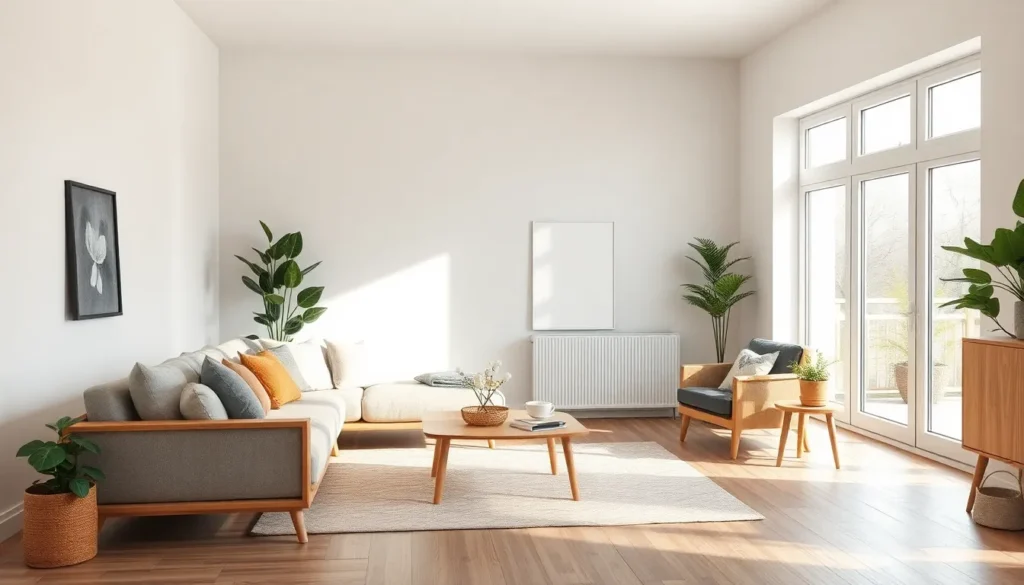
Scandinavian design has captivated the world with its unique blend of minimalism, functionality, and natural beauty. Originating from the Nordic countries, this design philosophy emphasizes simplicity and a connection to nature, making it a favorite among modern homeowners and designers alike. Its clean lines and thoughtful use of materials create spaces that are both inviting and practical.
With its roots in the mid-20th century, Scandinavian design continues to influence contemporary aesthetics. It champions a lifestyle that values quality over quantity, focusing on well-crafted pieces that stand the test of time. As people seek to create serene and harmonious environments, understanding the principles of Scandinavian design becomes essential for anyone looking to elevate their living spaces.
Overview of Scandinavian Design
Scandinavian design embodies simplicity, functionality, and natural beauty. Emerging from Nordic countries, this design philosophy centers on minimalism while creating spaces that feel warm and inviting. Emphasis on clean lines and practical use of materials ensures both aesthetic appeal and usability.
The movement began gaining prominence in the mid-20th century, driven by designers who focused on creating accessible, affordable products without sacrificing quality. Known for its sustainable practices, Scandinavian design prioritizes eco-friendly materials and processes, which resonate with modern values.
Key elements of this aesthetic include:
- Minimalism: Designs feature uncluttered spaces, allowing functionality and beauty to coexist effortlessly.
- Natural Materials: Wood, leather, and textiles often appear, fostering a connection to nature.
- Neutral Color Palettes: Soft hues dominate, creating calm and inviting atmospheres.
- Functionality: Every piece serves a purpose, making spaces practical and comfortable.
- Craftsmanship: Attention to detail and quality reflect a commitment to excellence.
Scandinavian design trends continue to influence contemporary interiors and lifestyles, shaping how individuals approach home aesthetics. Understanding its core principles proves essential for enhancing living environments in today’s world.
Historical Background
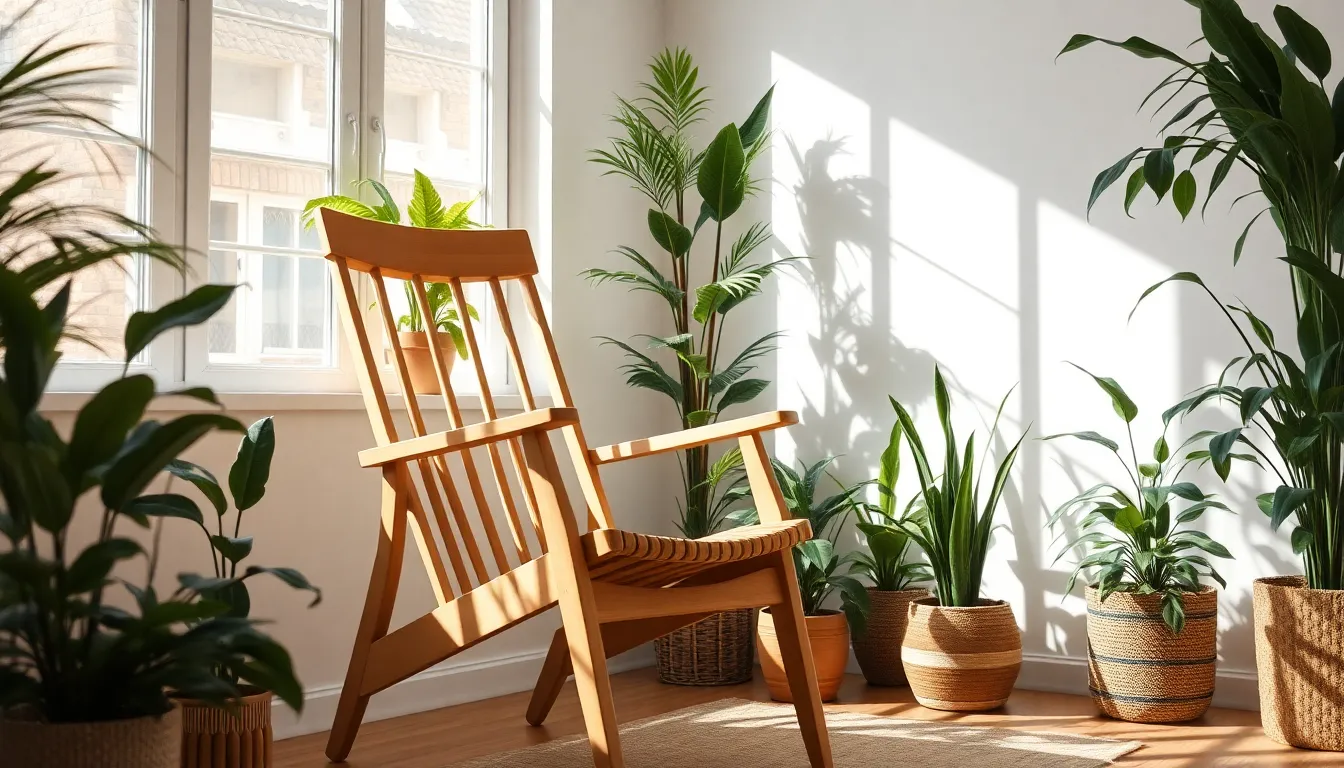
Scandinavian design emerged from the Nordic countries, driven by a desire for simplicity, functionality, and harmony with nature. Its roots trace back to traditional crafts and early 20th-century modernism.
Origins and Influences
Origins of Scandinavian design intertwine with the regional emphasis on practicality and craftsmanship. The Bauhaus movement and functionalism influenced early designers, promoting the idea that form follows function. Nordic folklore and culture further shaped aesthetics, fostering a deep connection with nature and sustainable living. Designers like Alvar Aalto and Hans Wegner drew inspiration from local materials, creating pieces that echo the surrounding landscape.
Evolution Through the Decades
Evolution of Scandinavian design progressed significantly through the decades. In the 1950s and 1960s, a major shift occurred, as designers embraced minimalism and clean lines. The post-war period saw the rise of iconic brands like IKEA, making Scandinavian aesthetics accessible to a global audience. By the 1970s, the focus expanded to sustainability, as eco-friendly materials gained prominence. Today, Scandinavian design remains relevant, continuously adapting to contemporary values while maintaining its core principles of simplicity, functionality, and connection to nature.
Key Characteristics of Scandinavian Design
Scandinavian design features distinct characteristics that contribute to its timeless appeal. Core elements include simplicity, functionality, and an emphasis on natural materials.
Simplicity and Functionality
Simplicity defines Scandinavian design. Clean lines and uncluttered spaces promote a minimalist aesthetic. Functionality complements this simplicity, ensuring each piece serves a practical purpose. Designers focus on creating furniture and decor that enhances usability and comfort. For instance, multi-functional furniture items, such as a sofa bed or adjustable tables, maximize space while maintaining style. This harmonious blend of form and function resonates with modern living, making it ideal for various environments.
Natural Materials and Craftsmanship
Natural materials are fundamental to Scandinavian design, emphasizing a connection to the environment. Designers frequently use wood, stone, and textiles, sourced sustainably from local resources. The warmth of natural wood, for example, adds comfort and invites a sense of coziness into spaces. Craftsmanship also plays a significant role, highlighting traditional techniques alongside modern innovations. Skilled artisans ensure the durability and quality of each piece, reflecting the region’s rich heritage and commitment to excellence. Examples of craftsmanship include handwoven textiles or expertly carved wooden furniture, showcasing the attention to detail characteristic of this design philosophy.
Prominent Designers and Brands
Scandinavian design boasts a rich heritage of influential figures and firms that shaped its evolution. Their commitment to minimalism and functionality continues to resonate globally.
Iconic Figures in Scandinavian Design
- Hans Wegner – Renowned for his furniture designs, Wegner’s pieces epitomize the blend of form and function. The “Wishbone Chair” and “Papa Bear Chair” showcase his mastery in wood craftsmanship and ergonomic design.
- Alvar Aalto – Esteemed for architecture and furniture, Aalto’s work emphasizes harmony with nature. The “Paimio Chair” and the “Savoy Vase” reflect his innovative use of natural materials and organic forms.
- Arne Jacobsen – A major figure in modernist design, Jacobsen’s iconic “Egg Chair” and “Swan Chair” feature sleek lines and comfort. His contributions extend to architecture, creating cohesive indoor and outdoor environments.
- Marianne Brandt – A pioneering designer from the Bauhaus movement, Brandt excelled in metalwork and industrial design. Her “Tea Infuser” demonstrates the integration of practical utility with artistic beauty.
- Verner Panton – Known for bold colors and futuristic forms, Panton’s “Panton Chair” remains a symbol of playful design. His work combines industrial processes with innovative aesthetics, pushing design boundaries.
Leading Design Firms and Their Contributions
- IKEA – Often synonymous with Scandinavian design, IKEA revolutionized affordable furniture. Its modular design philosophy and focus on sustainability appeal to modern consumers. The company’s flat-pack system reduces shipping costs and environmental impact.
- Muuto – Known for contemporary Scandinavian design, Muuto embraces innovation in furniture and lighting. Products like the “E27 Pendant Light” highlight its commitment to quality materials and craftsmanship.
- HAY – This modern design brand emphasizes simplicity and functionality. HAY’s products, such as the “About A Chair” series, blend clean lines with vibrant colors, making contemporary style accessible.
- Fritz Hansen – Established in 1872, Fritz Hansen collaborates with iconic designers. The “Series 7 Chair” exemplifies the company’s dedication to quality craftsmanship and timeless design principles.
- Normann Copenhagen – Focused on challenging the norm, this firm creates distinctive furniture and home accessories. Their “Guzzetti” collection showcases innovative designs that blend functionality and vibrant aesthetics.
The Impact of Scandinavian Design Today
Scandinavian design significantly influences modern aesthetics and consumer preferences across the globe. Its principles resonate with the growing demand for simplicity, functionality, and sustainability.
Global Influence and Trends
Scandinavian design shapes global trends by promoting minimalist aesthetics and functional, accessible products. Brands like IKEA popularized this design philosophy, allowing consumers worldwide to incorporate its elements into their homes. This trend appears in various sectors, including architecture, fashion, and product design. Key aspects such as clean lines, neutral color palettes, and natural materials are prevalent in contemporary interiors, influencing trends like open spaces and functional furniture. Notable global brands now embrace Scandinavian-inspired designs, leading to its widespread acceptance and integration across cultures, emphasizing practicality and beauty.
Sustainability in Modern Design
Sustainability is a cornerstone of contemporary Scandinavian design. Eco-friendly materials like sustainably sourced wood, organic textiles, and recycled metals dominate the design landscape. Designers emphasize the lifecycle of products, embracing durability and timeless aesthetics to reduce waste. Numerous initiatives prioritize sustainable practices, such as the use of renewable energy in production processes and a focus on repairable designs. Leading brands, including HAY and Muuto, maintain transparency in sourcing and manufacturing, reinforcing their commitment to the environment. This dedication aligns with global values, making Scandinavian design a preferred choice for eco-conscious consumers and promoting a sustainable future in the design industry.
Scandinavian design continues to resonate with those seeking simplicity and functionality in their living spaces. Its emphasis on natural materials and sustainable practices aligns perfectly with contemporary values, making it a favorite among eco-conscious consumers. The legacy of influential designers and brands ensures that this aesthetic remains relevant and accessible. By embracing the principles of Scandinavian design, individuals can create inviting environments that reflect both modern sensibilities and a deep connection to nature. This timeless approach to design not only enhances the beauty of spaces but also promotes a lifestyle rooted in quality and craftsmanship.